Choosing the Right System for Your Next Furnace Installation
A new furnace is one of those purchases nobody gets excited about until the old one starts making weird noises at 2 a.m. Or the upstairs bedrooms never quite warm up anymore. Then suddenly it becomes very interesting.
I have been around enough furnace replacements to know the pattern. A homeowner starts by asking, “What size furnace do I need?” Then, after a few quotes, the question changes to, “Why are these prices so different?” By the time we are standing in the basement looking at ductwork, gas lines, venting, and a 20-year-old thermostat with yellowed plastic, the real question finally shows up: “What system actually makes sense for this house?”
That is the question worth slowing down for.
Choosing the right system for your next Furnace Installation is not just about buying the biggest unit, the most efficient model, or whatever happens to be on sale that week. It is about matching equipment to the house, the climate, the ductwork, your comfort habits, and your budget. A furnace can last 15 to 20 years when properly installed and maintained, so a rushed choice can annoy you for a long time.
Start with the house, not the furnace
A good Heating Installation starts with the building itself. The furnace is only one part of the comfort system. Your insulation, windows, air leaks, duct layout, return air, ceiling heights, basement conditions, and even how much sunlight hits the south side of the home all affect how the system performs.
This is where a lot of bad installations begin. Someone looks at the old furnace label, sees 100,000 BTUs, and recommends another 100,000 BTU furnace. That sounds logical until you ask why the old one was that size in the first place. Maybe it was oversized when it was installed. Maybe the house had new windows added since then. Maybe an attic was insulated five years ago. Maybe the basement was finished, changing airflow and heating demand.
The proper way to size a furnace is with a heat load calculation, often called a Manual J calculation in the HVAC trade. It estimates how much heat the home loses on a cold day. Not every residential job gets a full engineering-level calculation, but your contractor should at least be doing more than squinting at the old unit and guessing.
I once saw a small ranch house with a furnace nearly twice the size it needed. The homeowner thought that meant the house should heat up quickly. Technically it did, but comfort was terrible. The furnace would blast hot air for a few minutes, shut down, then repeat. The living room felt stuffy, the back bedrooms stayed chilly, and the equipment wore itself out faster than it should have. Bigger did not mean better. It meant short cycling, noise, uneven temperatures, and higher repair risk.
Why furnace size matters more than people think
Furnace size is measured in BTUs, which stands for British thermal units. You do not need to memorize the technical definition. In practical terms, BTUs tell you how much heat the Furnace Installation furnace can produce. The trick is choosing enough capacity without going overboard.
An undersized furnace runs constantly during cold weather and may never bring the house up to the thermostat setting. You will notice it most on windy nights, bitter mornings, or when guests are opening doors during the holidays. The system works hard, comfort suffers, and the blower may run for hours.
An oversized furnace creates a different set of problems. It heats the air too fast, shuts off too soon, and does not circulate enough air through the home. This can make rooms feel uneven and can stress parts like the igniter, blower motor, gas valve, and heat exchanger over time. It may also make humidity feel worse in winter because the system does not run long enough to mix air properly.
Most homes need a system selected from a reasonable range, not a perfect magical number. A skilled contractor will consider the load calculation, available furnace sizes, duct capacity, airflow, climate, and homeowner preferences. If two sizes are close, the better choice depends on the whole system. That is where field judgment matters.
Efficiency ratings without the sales fog
Furnace efficiency is usually expressed as AFUE, or annual fuel utilization efficiency. A furnace with 80 percent AFUE turns about 80 percent of its fuel into usable heat over a typical season. A 95 percent AFUE furnace turns about 95 percent into usable heat. The rest is lost through exhaust and other operating losses.
That sounds simple, but the best choice is not always the highest number on the brochure.
An 80 percent furnace usually vents through a metal flue or chimney. A high-efficiency condensing furnace, often in the 90 to 98 percent range, extracts more heat from the combustion process and vents through PVC or similar plastic pipe. It also produces condensate, which has to drain safely. That means the installation may require new vent routing, a condensate pump, drainage work, or chimney modifications if the old flue setup changes.
High-efficiency furnaces often make a lot of sense in cold climates, especially where heating bills are high. In milder areas, the payback may take longer. Fuel prices matter too. Natural gas, propane, oil, and electricity all change the math. A homeowner using propane in a cold region may feel efficiency savings much more than someone using natural gas in a mild climate with modest winter use.
Still, payback is not the only reason to choose a higher-efficiency model. Comfort features often come bundled with better equipment. Two-stage burners, variable-speed blowers, quieter operation, and steadier airflow can make a house feel better even if the fuel savings alone are not dramatic.
Single-stage, two-stage, and modulating furnaces
This is one of the most important choices, and it is also one of the easiest to oversimplify.
A single-stage furnace is either on or off. When it runs, it fires at full capacity. These furnaces are common, generally less expensive, and can be perfectly fine in many homes. If the ductwork is simple, the house is smaller, and the budget is tight, a properly sized single-stage furnace can do the job.
A two-stage furnace has a lower heat setting and a higher heat setting. Most of the time, it runs on the lower stage, which gives longer, gentler cycles. On very cold days, it kicks into high stage. This usually improves comfort, reduces temperature swings, and may lower noise because the system does not always roar at full output.
A modulating furnace adjusts heat output in smaller increments. Instead of low and high, it can fine-tune its firing rate based on demand. Paired with the right thermostat and blower setup, it can hold indoor temperatures very steady. These systems cost more and require careful setup. They are not the right fit for every home, but in houses where comfort matters and the ductwork can support them, they can feel noticeably better.
The catch is that advanced equipment cannot fix bad installation. A modulating furnace connected to undersized ducts or a poorly configured thermostat may not deliver the comfort you paid for. I would rather see a correctly installed two-stage furnace than a premium modulating unit slapped onto ductwork that cannot breathe.
Do not ignore the blower
People talk about burners and efficiency, but the blower moves the comfort through the house. A furnace can make plenty of heat, but if the airflow is wrong, the rooms will not feel right.
Older furnaces often used standard permanent split capacitor motors, commonly called PSC motors. Many newer systems use electronically commutated motors, or ECMs. ECM blowers can vary speed, use less electricity in many operating modes, and support better comfort features. They are especially useful when paired with two-stage or modulating equipment.
Variable-speed blowers can help with air filtration, humidification, and more even temperatures. They can run at lower speeds for longer periods, which keeps air moving without the loud blast some homeowners associate with forced-air heating. This can be a big deal in homes where the thermostat sits in one central room but bedrooms drift several degrees away.
There is a practical side, though. ECM motors can cost more to replace than older motor types. That does not mean you should avoid them, but it should be part of the conversation. Good Furnace Services should include an honest discussion about comfort, operating cost, repair cost, and expected lifespan, not just a glossy pitch for the most expensive option.
Your ductwork may be the real bottleneck
Ductwork is like the circulatory system of the house. If it is too small, leaky, poorly balanced, or badly routed, a new furnace can only do so much. I have seen homeowners spend good money on Furnace Replacement and still complain about the same cold bedroom because the supply duct feeding that room was crushed, undersized, or disconnected in the attic.
Static pressure is one of the measurements good technicians pay attention to. It tells us how hard the blower has to work to move air through the system. High static pressure can mean restricted filters, undersized returns, tight duct fittings, blocked coils, or simply ductwork that was never designed for the equipment connected to it.
If your current furnace is noisy, if filters bow inward, if some vents barely move air, or if doors slam when the system starts, ask about duct evaluation before signing off on a new furnace. Sometimes the best money spent during a Heating Installation is not on a fancier furnace but on adding return air, enlarging a restrictive transition, sealing duct leaks, or correcting a bad supply run.
A contractor who tells you ductwork does not matter is doing you no favors. The furnace and duct system have to act as a pair.
Gas, electric, propane, or dual fuel?
Most furnace conversations assume natural gas, but not every home has it. Fuel choice can shape the entire project.
Natural gas furnaces are common because gas is available in many neighborhoods and usually provides strong heat at a manageable operating cost. Propane furnaces are similar in equipment style but depend on tank storage and propane pricing, which can vary widely by region and season. Oil furnaces still exist in many older homes, especially in parts of the Northeast, though replacements may involve different considerations around tanks, chimneys, and service availability.
Electric furnaces are simpler in some ways and do not need combustion venting, but they can be expensive to run in colder climates where electric resistance heat works hard for long periods. Heat pumps have changed the conversation, especially with modern cold-climate models, but a heat pump is not the same as a traditional furnace. In some homes, a dual-fuel system makes sense: a heat pump handles mild and moderate weather, then a gas furnace takes over when temperatures drop and the heat pump becomes less economical or less comfortable.
The right fuel choice depends on local utility rates, climate, existing infrastructure, rebates, and how long you expect to stay in the home. If you already have gas service and decent venting options, replacing with a gas furnace may be straightforward. If you are remodeling, adding solar, or trying to move away from combustion appliances, the discussion may be broader than Furnace Installation alone.
Venting and combustion air are not small details
Venting is one of those behind-the-scenes details that can become a major cost or safety issue. Standard-efficiency furnaces vent hot exhaust through metal flues, often into a chimney. High-efficiency condensing furnaces vent cooler exhaust through plastic piping and also need intake air, depending on configuration and code requirements.
The route matters. Can the pipes exit through a side wall with proper clearances from windows, doors, gas meters, and property lines? Will snow block the termination? Is the old chimney now oversized because the furnace no longer uses it, leaving a water heater alone on a masonry flue? Does the furnace closet have enough combustion air?
These are not scare tactics. They are normal installation questions. Carbon monoxide risk, condensation damage, nuisance shutdowns, and code violations often trace back to poor venting or combustion air planning.
I have seen high-efficiency furnace exhaust terminations placed too close to a walkway, where winter condensate created an ice patch. I have seen intake pipes located where drifting snow choked the system during storms. The equipment was fine. The layout was not. Details like these separate a clean installation from a callback machine.
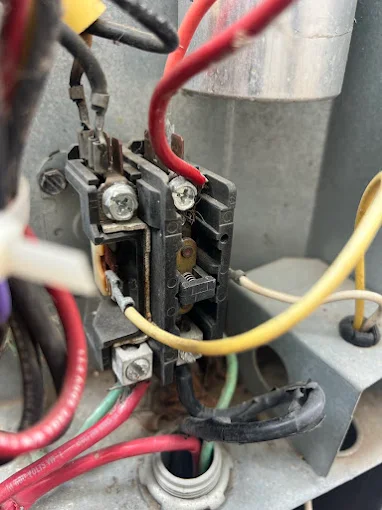
When repair still makes sense
Not every furnace problem means you need a new system. Furnace Repair can be the right call when the unit is younger, the heat exchanger is sound, parts are available, and the repair cost is reasonable compared with replacement.
A bad igniter, flame sensor, pressure switch, inducer motor, blower capacitor, or control board can often be repaired. Some repairs are minor. Others are expensive enough to make you pause. Age matters here. Spending several hundred dollars on a 7-year-old furnace may be sensible. Spending that same money on a 22-year-old furnace with rust, noisy bearings, and uneven heating may be throwing cash at a system that is already near the end.
There is no universal rule, but I like to weigh repair cost against age, condition, comfort, safety, and energy use. If a furnace has had repeated service calls over the past two winters, that pattern matters. If the heat exchanger is cracked, replacement is usually the safe path. If parts are obsolete or delayed, that matters too, especially in January.
A reputable contractor should be willing to explain both options. You should not feel pushed into Furnace Replacement just because a repair is inconvenient, and you should not be talked into nursing along unsafe equipment either.
The real cost of a furnace installation
The price of a new furnace varies because the jobs vary. Equipment brand and efficiency matter, but labor, materials, permits, duct transitions, venting changes, gas piping, electrical work, thermostat upgrades, condensate handling, old equipment removal, and local code requirements can all move the number.
Two quotes for the same furnace model may not include the same scope. One contractor may include permits, new venting, proper startup testing, filter cabinet improvements, and thermostat setup. Another may quote a lower number but reuse questionable materials and skip details that matter.
Here is a short list of items worth confirming before you compare prices:
- Equipment model, efficiency rating, capacity, and staging type
- Venting, condensate, electrical, gas piping, and duct modifications included
- Permit handling and inspection requirements
- Labor warranty, parts warranty, and registration details
- Startup testing, airflow checks, and thermostat configuration
That is one of only a few times a list is better than prose, because quote details get slippery fast. If you compare only the final price, you may miss why one proposal costs more. Sometimes the higher quote is padded. Sometimes it is simply complete.
Brand matters, but installation matters more
Homeowners often ask which furnace brand is best. It is a fair question, but it can send people down the wrong rabbit hole. Most major furnace brands offer entry-level, midrange, and premium models. Many share similar components from third-party manufacturers. The better question is, “Who will install it correctly and stand behind it?”
A great brand installed poorly can fail early, run loudly, or never deliver rated efficiency. A midrange furnace installed with care can run quietly for years. Proper installation includes correct sizing, solid duct transitions, sealed connections, clean wiring, safe venting, correct gas pressure, proper temperature rise, accurate blower settings, and clear homeowner instruction.
That last part matters more than people think. If nobody shows you how to change the filter, set the thermostat, clear the area around intake and exhaust pipes, or recognize warning signs, the system is more likely to suffer neglect.
I care less about the logo on the cabinet than I do about the technician’s commissioning process. Did they measure? Did they test? Did they adjust? Did they document? Did they leave the area cleaner than they found it? Those details tell you a lot.
Thermostats and controls can change how the system feels
A new furnace connected to an old thermostat may still heat the house, but it may not use the equipment properly. Two-stage and modulating furnaces often need compatible controls to get their full benefit. Some can stage internally based on run time, but thermostat-controlled staging is usually more responsive.
Smart thermostats can be useful, especially for scheduling, remote access, and energy tracking. They are not magic. In some homes, aggressive setback schedules can create comfort complaints, particularly with high-efficiency systems designed for steady operation. If you drop the house to 60 degrees overnight and ask it to reach 70 by 6 a.m., the furnace may run hard and long. That may be fine, but it can reduce the comfort advantage of staged equipment.
Zoning adds another layer. Zone systems use dampers to heat different parts of the home separately. They can solve real problems in larger houses, homes with additions, or layouts with big solar gain differences. They can also create airflow issues if designed badly. Closing too many zones can increase static pressure and stress equipment unless bypass strategies or proper controls are used.
Controls should support the system, not complicate your life. A thermostat nobody in the house understands is not an upgrade.
Comfort is not just temperature
Most people say they want the house warmer, but comfort has more ingredients than the thermostat number. Air movement, humidity, room-to-room balance, noise, filtration, and cycle length all shape how a house feels.
Winter air often feels dry because cold outdoor air holds less moisture, then dries further when heated indoors. A furnace does not necessarily “dry out” the air by itself, but heating cold infiltrating air lowers relative humidity. A whole-house humidifier can help in some homes, especially where wood floors shrink, skin gets dry, or static shocks become a daily annoyance. Humidifiers need maintenance, though. Pads need changing, drains need checking, and humidity levels should stay reasonable to avoid window condensation or mold risk.
Filtration is another balancing act. High-MERV filters can capture smaller particles, but they may restrict airflow if the system was not designed for them. A thick media filter cabinet often works better than a tight one-inch filter with high resistance. If indoor air quality is a concern, discuss filter options during Furnace Services rather than buying the densest filter at the store and hoping the blower can handle it.
Noise deserves attention too. A furnace can be mechanically quiet but still loud through the ducts if airflow is too high, ducts are undersized, or return grilles are poorly placed. If the current system wakes someone up when it starts, tell the contractor before the replacement. There may be practical fixes.
Timing your replacement before panic sets in
The worst time to choose a furnace is during a cold snap when your old one has failed and every HVAC company in town is buried in emergency calls. You can still get a good installation under pressure, but you have less room to compare options, address duct issues, or wait for preferred equipment.
If your furnace is over 15 years old, has rising repair costs, heats unevenly, or shows rust and wear, start the conversation before it dies. You do not have to replace it immediately. Just learn what your options look like. Find out whether venting will be an issue. Ask whether your ductwork can handle upgraded equipment. Check whether rebates or financing are available.
Early planning is especially useful if your home has an unusual setup, such as a furnace in an attic, crawlspace, tight closet, finished basement, or mechanical room with limited venting routes. These jobs can require extra planning. Waiting until the old unit quits can turn a thoughtful project into a scramble.
Questions worth asking before you sign
You do not need to become an HVAC technician to make a good decision. You just need to ask questions that reveal whether the contractor is thinking about the whole system.
Ask these before approving the job:
- How did you determine the furnace size?
- Will my existing ductwork and return air support this system?
- What venting or condensate changes are needed?
- What startup tests will be performed after installation?
- What maintenance does this furnace need each year?
The answers do not need to sound fancy. In fact, clear plain-English answers are usually a good sign. Be cautious if someone dismisses sizing, ductwork, permits, or commissioning as unnecessary details. Those details are the job.

Rebates, warranties, and the fine print
Rebates can make higher-efficiency equipment more attractive, but they often come with conditions. Utility programs may require specific AFUE ratings, equipment types, contractor participation, or documentation. Manufacturer rebates may depend on model combinations or seasonal promotions. Tax credits, when available, can have their own efficiency thresholds and limits.
Do not assume a furnace qualifies because someone casually mentions rebates. Ask for the exact model numbers and requirements. A good contractor should know the common local programs or at least point you toward the utility or program administrator.
Warranties also deserve a careful look. Many furnaces have a parts warranty that improves if the product is registered within a certain period after installation. Labor warranties vary by contractor. Heat exchanger warranties may be longer than general parts warranties, but the terms differ. A long parts warranty does not mean free repairs forever, because labor may not be included after the contractor’s labor warranty ends.
Keep your paperwork. Save the model number, serial number, installation date, warranty registration, permit record, and maintenance records. If you ever sell the house or need warranty service, that folder becomes useful.
Maintenance after installation is not optional
A furnace is not a set-it-and-forget-it appliance. It burns fuel, moves a lot of air, handles temperature stress, and often sits in a basement or utility space full of dust, laundry lint, pet hair, and stored boxes. Annual maintenance helps keep it safe and efficient.
At minimum, filters need regular replacement. The schedule depends on the filter type, household dust, pets, remodeling work, and system runtime. Some one-inch filters need attention every one to three months. Larger media filters may last longer, but they still need checking.
Professional maintenance usually includes inspecting burners, flame sensing, ignition, venting, condensate drainage on high-efficiency units, blower components, electrical connections, safety controls, gas pressure, temperature rise, and overall operation. The point is not just to prevent breakdowns. It is to catch small problems before they damage expensive parts or create safety issues.
Skipping maintenance can also affect warranty coverage. Manufacturers often expect reasonable care. If a furnace fails because it was running with a filthy filter and overheated repeatedly, that may not be treated the same as a normal part failure.
A few real-world scenarios
A young family in a two-story colonial might care most about quiet operation and evening comfort in upstairs bedrooms. If the ductwork is decent, a two-stage furnace with a variable-speed blower could be a good fit. Add a properly sized media filter and maybe a humidifier if winter dryness is a problem. The goal is steady comfort, not just raw heat.
A retired couple in a smaller, well-insulated ranch may not need premium equipment. A correctly sized high-efficiency single-stage or two-stage furnace may be plenty, especially if they keep a steady thermostat setting and have straightforward ductwork. Spending extra on duct sealing or return air improvements might matter more than jumping to the top model.
A farmhouse on propane with high winter fuel bills may benefit from a high-efficiency furnace or even a dual-fuel conversation if electricity rates and climate support it. The venting route, propane tank capacity, and backup heat expectations need careful planning. A cheap like-for-like replacement may not be the smartest long-term move.
A finished basement with a furnace tucked into a tight mechanical room may bring code and access issues into play. Combustion air, service clearance, venting, condensate drainage, and filter access all matter. If changing the filter requires kneeling sideways behind a water heater, maintenance will get skipped. Design the installation so normal care is realistic.
Choosing with confidence, not guesswork
The right furnace is the one that fits the home, the people living in it, and the realities of the installation. Sometimes that means a high-efficiency two-stage system with a variable-speed blower. Sometimes it means a simpler furnace installed exceptionally well. Sometimes the smartest move is repairing the current unit for another season while planning a better replacement.
Do not let anyone reduce the choice to brand, BTUs, or a monthly payment. Those pieces matter, but they are not the whole picture. A proper Furnace Installation looks at heat loss, airflow, venting, fuel cost, comfort goals, safety, service access, and maintenance. Good Heating Services should leave you understanding why a certain system was recommended, not just what it costs.
If you are standing in front of an aging furnace wondering whether to repair it one more time or replace it before winter, start with an honest assessment. Ask how the current system has performed. Think about cold rooms, noise, bills, repair history, and how long you plan to stay. Then bring in a contractor who is willing to look beyond the metal box.
A furnace should not be something you think about every day. When it is chosen well and installed right, you barely notice it. The house warms evenly. The system runs quietly. The utility bills make sense. The filter is easy to reach. The vent pipes are safe from snow. The thermostat does what you expect.
That quiet reliability is the real goal of Furnace Replacement. Not the flashiest model. Not the biggest cabinet. Not the cheapest bid. Just the right system, installed with care, ready to carry the house through many winters without drama.